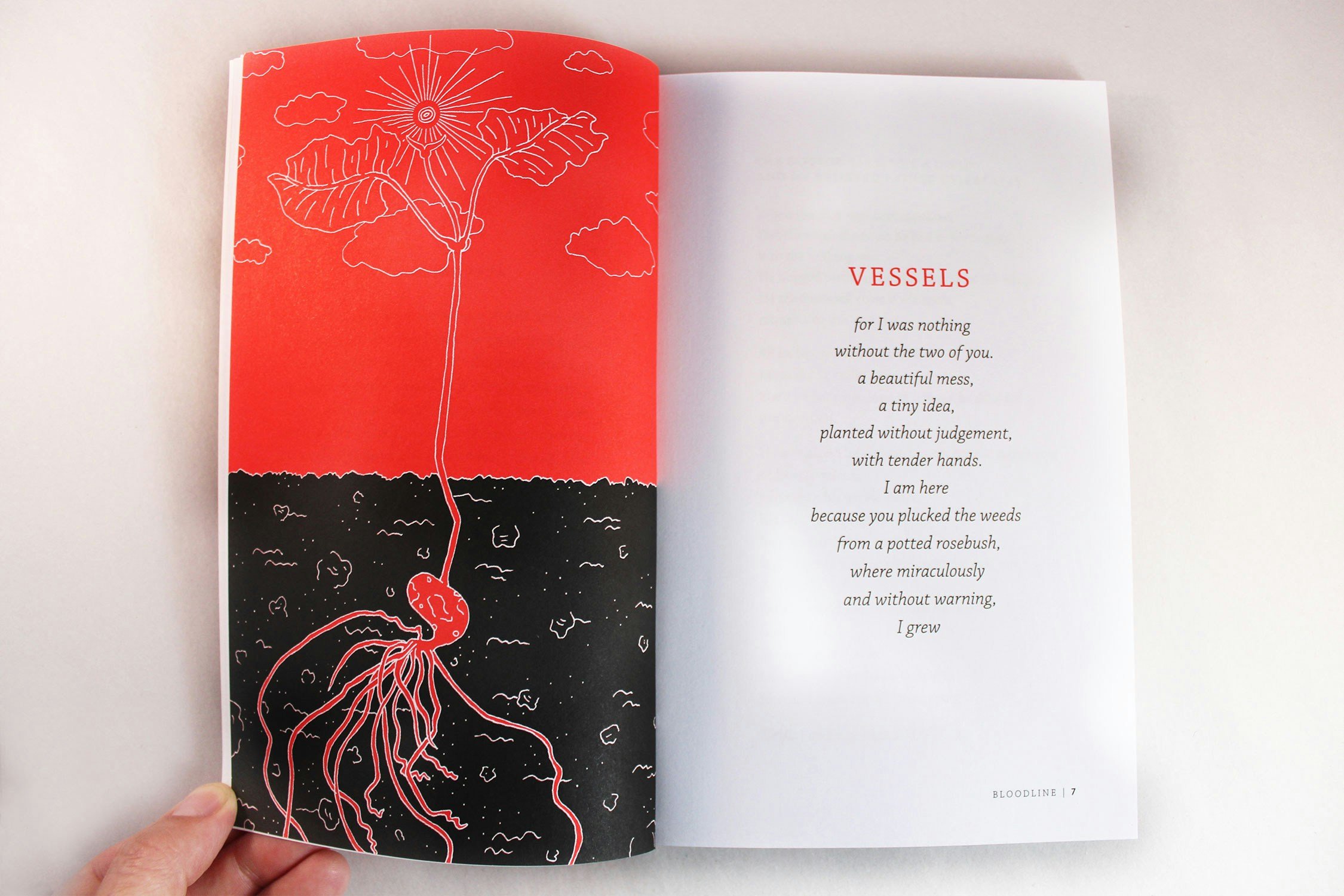
“Poetry became the place I spoke the truth when words felt dangerous.”
“Creativity is the antidote to shame, the salve for fragmentation, the spark that reminds us we are still alive.”
In a world that often demands answers and labels, creativity offers something softer, something sacred: a return to presence. For me, creativity has been a lifeline, a way to make sense of grief, trauma, identity, and transformation. It is also a central pillar of my work as a therapist, facilitator, and researcher.
In moments where I had no language for what I was feeling, I found rhythm. In times when I couldn’t speak the truth out loud, I found metaphor. Creativity held what my nervous system couldn’t yet say, and that became enough.
🎨 Poetic Inquiry as a Healing Practice
In my thesis, I use poetic inquiry as both a research method and a healing tool. It allows me to explore the unspeakable, religious trauma, spiritual abuse, dissociation, and grief, through creative reflection and metaphor.
Poetic inquiry doesn’t require neatness. It doesn’t ask us to “get over it.” Instead, it invites us to feel, witness, and honour the truth of our experience, not just intellectually, but emotionally and somatically.
It is deeply relational. Like a conversation between our past and present selves.
“To write is to remember. To create is to come home.”
🧠 Why Creativity Works for Trauma
Trauma disconnects us, from our bodies, our stories, our timelines.
Creative expression helps bridge those gaps. Art, poetry, and movement bypass the verbal, cognitive brain and allow us to process in ways that feel safe and embodied.
As Bruce Perry and Bessel van der Kolk have both affirmed, regulation must come before reflection. Creativity offers that regulation, a way to stay in the moment, to move energy, and to reclaim agency.
💡 In My Practice…
Whether it’s through paint, movement, collage, sculpture, or spoken word, I use creative arts therapy with clients of all backgrounds, especially those navigating religious trauma, grief, LGBTQIA+ identity, or disconnection from culture. You don’t need to be “good at art.” You just need to be willing to explore.
Together we use creativity to:
Rebuild safety in the body
Give voice to hidden parts
Release trauma that has no words
Reclaim joy and self-expression
Reimagine what healing can look like
✍️ From My Journal (Poetic Excerpt)
I stitched a poem from the edges of myself
The parts that never made it into sermons.
The ones who wept behind pews and screamed into pillows.
And there, in the ink, I met myself whole.
📚 Culturally Rooted Creativity
As someone of Cook Island Māori descent, creativity is not just a therapeutic tool, it is ancestral. Tivaevae, whakairo, weaving, singing, and storytelling are all expressions of cultural resilience. They are how we remember who we are, how we connect, and how we pass down healing.
Informed by models like Te Whare Tapa Whā, Fonofale, and Wayfinding Leadership, creative practice becomes a relational, spiritual, and communal act, not just a personal one.
🌱 Final Thoughts
Creativity saved me.
It gave me a voice when I had none, and offered me beauty in the middle of deep loss.
It is why I write. It is why I paint.
And it’s why I offer this work to others, because I believe that in every person is a creative force longing to be seen.
References:
Leavy, P. (2015). Method Meets Art: Arts-Based Research Practice
van der Kolk, B. (2014). The Body Keeps the Score
Perry, B., & Winfrey, O. (2021). What Happened to You?
Durie, M. (1998). Te Whare Tapa Whā
Pulotu-Endemann, F. (2001). Fonofale Model
Spiller, C. et al. (2015). Wayfinding Leadership
