“Grief is the price you pay for love.” — Queen Elizabeth II
Grief entered my life like a herd of wild horses, loud, unpredictable, untamed. I tried to outrun it. I tried to tame it. But eventually, I learned to ride alongside it.
This is what Grief Like Wild Horses, my upcoming book, is about: the messy, sacred journey of loving and losing, and learning to live with both.
It’s not a grief manual. It’s a companion, a poetic, raw, and deeply personal exploration of death, trauma, faith, identity, and healing. It threads together my lived experiences as a bereaved mother, an end-of-life doula, a creative arts therapist, and someone learning how to stay when everything in me wanted to run.
🌿 Making Grief My Friend
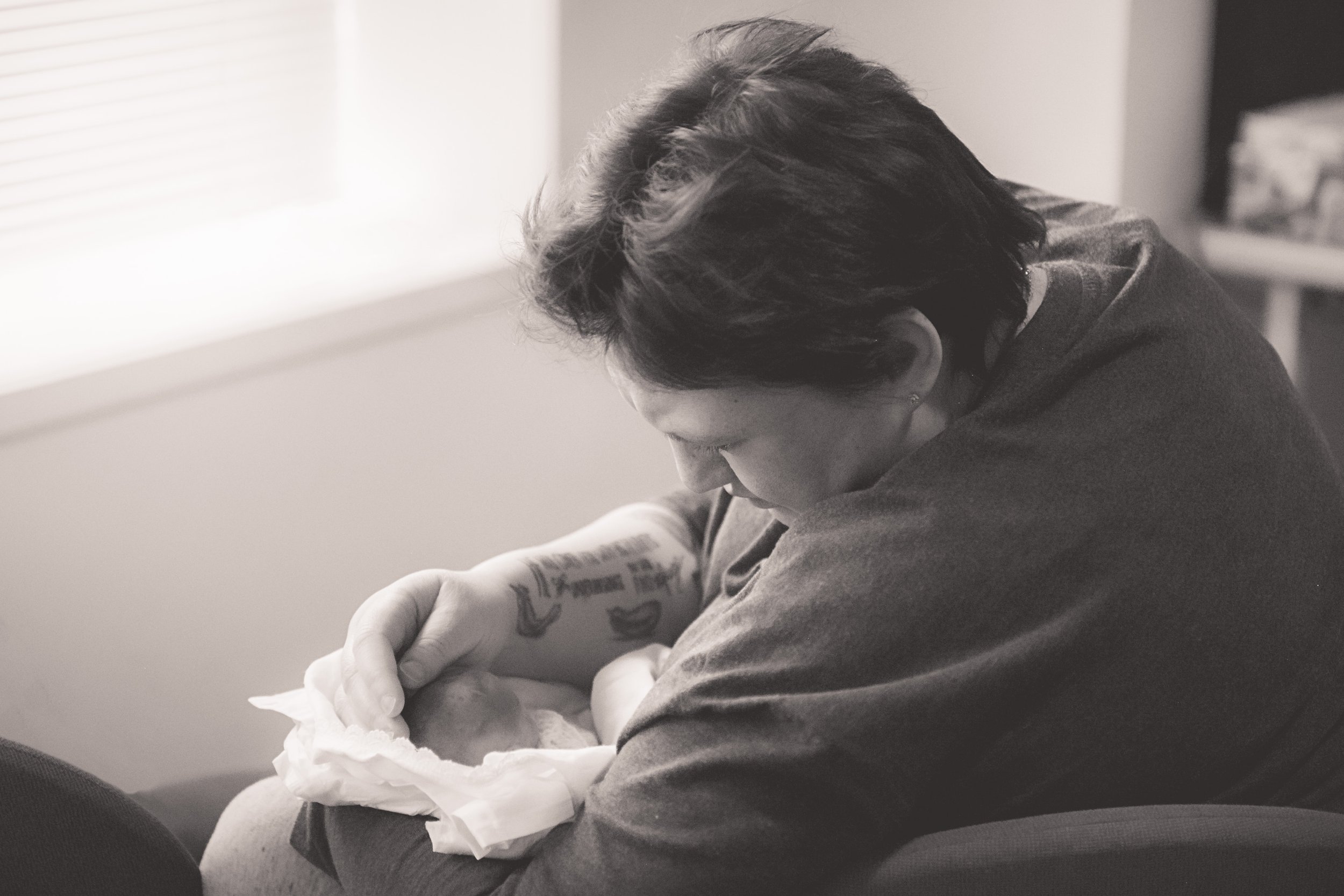
I wrote this book in the aftermath of losing my son Eliezer. He was meant to arrive near Christmas. Instead, I spent that first Christmas wrapping grief like a blanket around my shoulders, trying to find breath in a world that had stopped making sense.
The truth is, death doesn’t just take a person — it steals language. It distorts time. It breaks your sense of belonging.
And yet, in the silence after loss, I found poetry. I found memory. I found my breath again.
🕯️ A Life Around Loss
As a grief and trauma counsellor, I’ve sat with many kinds of loss, the loss of a child, a marriage, a parent, a home, a spiritual identity.
As an end-of-life doula and celebrant, I’ve stood at gravesides, hospice beds, and wharenui, witnessing love in its final form.
Grief doesn’t always look like sadness. Sometimes it looks like rage. Sometimes it’s numb. Sometimes it’s baking banana bread at midnight just to feel useful.
There is no right way to grieve, but there are ways to honour it.
✨ From the Book: [Excerpt]
“Christmas in the Waikato was a strange kind of familiar. It was the first Christmas I would navigate truly on my own, the Christmas my son was meant to be born. Everything about the season reminded me of what should have been. The sparkle of tinsel felt garish against my grief, and the laughter of children echoed the silence in my own arms.
In truth, I had become a bit of a Christmas grinch since Mum had died. She was the heartbeat of our Christmases. Back home, we’d gathered all the waifs and strays for Christmas lunch, often overflowing into the church hall when our house couldn’t hold the crowd. One year, over a hundred people turned up to the feast she’d orchestrated with love. That was Mum, lavish in love, tireless in generosity.
But when she died, those Christmases died with her.
That year, I became the waif again, the stray at someone else’s table. I spent the holiday with the Hendersons and Welches, families who had always loved me, practically kin. They had known me since I was young, stood by me through life’s whirlwinds. But even love can’t always soothe the whispering lies of grief. I felt like the loud intruder, the one whose presence made the room off balance. I may have been invited, but my mind played tricks on me, guilt and shame weaving stories that convinced me otherwise.
The parts didn’t want to hide anymore, but they weren’t exactly welcomed either. I did what I always did, smiled when it was required, disappeared when it got too loud, took sanctuary in my room when the crowd and the chaos pressed in.
Grief coloured everything. I was a mother with no child. No stocking with his name on it. No presents to wrap. Just an aching womb and an empty cradle. I braved another pretend smile when the kids came looking for me. They’ve always been the ones to pull me from the shell when I retreat too far in.
That day, they found wigs tucked away in my bag, playful props from some other moment, some other version of me. Suddenly, the lounge was transformed into a stage. Laughter rang out, improvised skits unfolded, and my parts played along, delighting in the freedom. We didn’t try to explain why I had wigs. We just let the kids have fun. Let them lead. The adults looked on, bemused, perhaps a little confused, but no one asked questions. It was easier that way.
It was both beautiful and brutal, that juxtaposition of joy and ache, presence and absence. In a house full of people who loved me, I still felt the sting of what I had lost.
The next day, I did the same thing.
I got up, dressed myself in something bright even if my heart was grey, and went to the Welches’ whānau gathering. I smiled when I needed to, laughed at the right times, and again found myself gravitating to the kids. Children don’t ask for masks or explanations, they just invite you into their world as you are. And for that, I was grateful.
It wasn’t easy. Everything still felt like I was watching from a distance, like the version of me that once belonged in these moments was now standing just outside the frame. But I kept showing up anyway.
I kept telling myself that these were people who had loved me in every season, when I was bold, when I was broken, when I was bursting with joy, or in the void of grief. Surely, they could love me in this one too.
And I think they did. Maybe not always in ways that were loud or obvious, but in the quiet way someone sets a place at the table, in the knowing smile that says you don’t have to explain, in the space made for someone who wasn’t sure she still belonged.
It was a strange thing—this practice of letting myself be held, even awkwardly. Of leaning into the discomfort of being loved when I didn’t feel very lovable. I didn’t know it then, but those small, ordinary acts of showing up were teaching me something essential: that healing doesn’t always arrive like a bolt of lightning. Sometimes it comes in quiet mornings, shared kai, and the echo of children’s laughter wrapping itself around you like a karakia."
— Grief Like Wild Horses
🌈 The Sacred Work of Staying
In Western culture, we’re taught to move on. To be strong. To make grief productive. But Indigenous wisdom, and my own lived truth, tells me that grief is relational. It’s a conversation between this world and the next.
In Te Ao Māori, death is not an end, it’s a transition. A returning. A reminder that our ancestors walk with us. The Cook Islands concept of akapapa speaks to tracing our connections through lineage, land, and love, even beyond death.
Grief, in this way, becomes a form of remembering.
💛 Why I Wrote This Book
I wrote Grief Like Wild Horses because I needed a space where grief could be honest. Where it wasn’t rushed, silenced, or spiritualised away. I wrote it for myself, but also for others, for the misfits, the mourners, and the meaning-makers.
For anyone who has ever lost someone and felt like they lost themselves too.
This is not the end of the story. It’s a way home.
📘 Pre-Order Details
Grief Like Wild Horses will be available in August 2025.
Pre-orders open in July.
For launch updates, events, or to join the mailing list, [click here] (add link when ready).
📚 References & Influences:
Jenkinson, G. (2022). Recovery from Cults and Coercion
Kübler-Ross, E. (1969). On Death and Dying
Berryman, M. et al. (2013). Culturally Responsive Methodologies
Durie, M. (1998). Te Whare Tapa Whā
My lived experience as a grief worker, celebrant, and mother
